

Celebrating a Canadian graduation or honoring an American employee calls for a tribute that stands the test of time. Acrylic plaques offer more than striking clarity. They promise enduring strength and resistance to environmental wear.
With high-grade Polymethyl Methacrylate and expert production, these plaques can remain vibrant for up to 20 years indoors and 15 years outdoors, maintaining both beauty and structural integrity through seasons and relocation.
Discover how choosing quality acrylic preserves your achievement for decades.
Key Takeaways
| Point | Details |
|---|---|
| Acrylic Plaques Ensure Durability | Acrylic plaques are designed to resist environmental degradation and maintain clarity for 10-20 years, making them a permanent display option for significant achievements. |
| Material Quality Is Critical | Choosing high-grade acrylic, specifically virgin PMMA, enhances longevity and clarity, as it resists yellowing and brittleness over time. |
| Protect From Environmental Factors | Proper placement and care are essential; avoid direct sunlight and temperature extremes to maximize the plaque's life and appearance. |
| Regular Maintenance Is Key | Use gentle cleaning methods and keep plaques in stable environments to prevent degradation and maintain their pristine look for years. |
What Acrylic Plaque Durability Means
When you commission an acrylic plaque to commemorate a graduation, employee achievement, or life milestone, you're making an investment in permanence. But what does durability actually mean in this context? Acrylic plaque durability refers to the material's ability to maintain both its structural integrity and optical clarity over extended periods. In practical terms, this means your plaque won't crack, yellow, or become cloudy as months and years pass.
The material itself, chemically known as Polymethyl Methacrylate (PMMA), is engineered to resist environmental degradation while keeping that crystal-clear transparency that makes your certificate or photo display so striking. Think of it this way: a paper diploma might fade in sunlight or deteriorate with humidity, but a durable acrylic plaque protects and preserves what matters to you.
Real-world durability timelines depend on where your plaque lives. Indoor plaques placed in homes, offices, or corporate environments typically remain in pristine condition for 15 to 20 years under standard conditions. That covers the entire career span of most employees, multiple home relocations, and countless moments when someone glances at their achievement with pride. Outdoor plaques face different challenges.
Exposure to sunlight, temperature fluctuations, and moisture means outdoor displays generally last 10 to 15 years before noticeable changes occur. The difference comes down to resistance to mechanical stress, UV radiation, and environmental wear, which keeps acrylic plaques visually appealing through changing seasons and climates. When you choose a high-grade acrylic plaque from Plaque of Legacy, you're selecting material designed to withstand these stressors. The quality of the acrylic itself, the printing process, and how the plaque is finished all play crucial roles in determining whether your achievement display becomes a lasting legacy or a faded memory.
Understanding durability also means recognizing what can and cannot happen to your plaque over time. Minor surface scratches may appear with handling, but they typically don't penetrate the material's depth or compromise clarity. The acrylic won't develop stress fractures like glass might, and it won't absorb moisture that causes warping.
What you will experience is a plaque that continues to showcase your achievement exactly as it was created, year after year. This is why durability matters most for meaningful moments. Whether your plaque celebrates a trading achievement, a marriage milestone, or recognition in your professional field, the investment in durable materials ensures that symbol of accomplishment stays pristine. The moment you frame an achievement deserves to last.
Pro tip: Store your acrylic plaque away from direct sunlight when not on display, and clean it annually with a soft, lint-free cloth and mild soap to maintain that crystal-clear appearance for decades.
Key Factors Influencing Longevity
Not all acrylic plaques age the same way. The differences come down to specific factors that either extend or shorten how long your achievement display remains flawless. The first critical factor is raw material quality. When manufacturers use 100% virgin PMMA (Polymethyl Methacrylate), they're starting with pure, uncompromised polymer that resists degradation far better than recycled content. Virgin acrylic maintains its clarity and strength over decades, while recycled or blended materials may yellow faster or become brittle prematurely.
This is why Plaque of Legacy prioritizes high-grade clear acrylic for every plaque. The manufacturing process itself also shapes durability. The way the acrylic is cast, cooled, and finished affects the molecular structure at a microscopic level. Proper techniques create dense, uniform material. Poor processes leave weak points vulnerable to stress and environmental damage. When you're investing in a plaque to commemorate something meaningful, the manufacturing standards matter as much as the material choice.
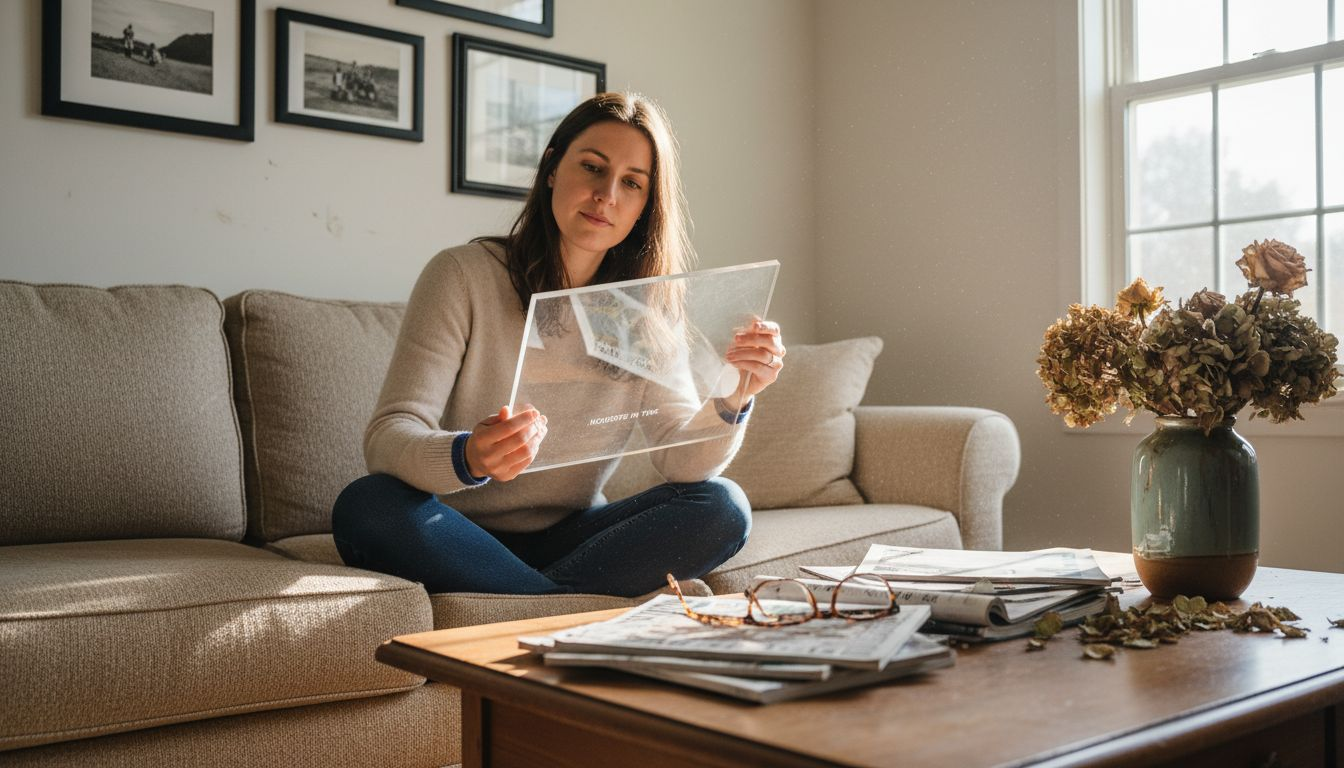
Environmental exposure creates the next major challenge. Your plaque faces three specific threats: UV radiation, temperature swings, and humidity. UV radiation causes yellowing and brittleness over time, particularly for outdoor plaques exposed to direct sunlight. Temperature extremes pose serious risks. Thermal stress from extreme temperatures can weaken acrylic mechanically. Temperatures below negative 40 degrees Celsius increase brittleness and lead to microcracks, while heat above 80 degrees Celsius can cause deformation and permanent weakening.
Most indoor environments stay within safe ranges, but outdoor installations face real temperature swings across seasons. Humidity adds another layer of complexity. While acrylic doesn't absorb moisture the way wood or paper does, prolonged exposure to high humidity combined with temperature changes can accelerate degradation. These environmental factors work together, which is why a plaque stored in a stable, climate-controlled office lasts longer than one exposed to coastal salt air or desert heat.

Protecting your plaque means addressing these factors head-on. UV stabilizers and proper material selection are your first line of defense. Quality plaques include UV protection in the acrylic formulation, shielding against sun damage. Placement matters tremendously. An indoor plaque away from direct sunlight, temperature extremes, and humidity fluctuations will maintain its beauty for 15 to 20 years or longer.
An outdoor plaque requires even more consideration, with careful placement away from intense afternoon sun and protected from freezing temperatures during winter months. The quality of printing on the plaque also influences longevity. Premium printing inks resist fading and adhere properly to the acrylic surface, ensuring your certificate, diploma, or photo remains vivid throughout the plaque's lifespan.
Pro tip: Place indoor plaques on interior walls away from windows and heating vents, and if you display plaques outdoors, choose locations with afternoon shade and cover them during extreme weather seasons to maximize their lifespan.
Acrylic vs. Other Display Materials
When you're choosing how to preserve and display a meaningful achievement, you're really choosing between several material options, each with distinct advantages and drawbacks. Acrylic has emerged as the preferred choice for modern plaques, but understanding how it stacks up against alternatives helps you make the right decision for your specific needs. Two primary competitors are wood and glass, both offering their own aesthetic appeal but with significant durability trade-offs. Wood plaques evoke tradition and warmth, conveying timeless values that resonate in corporate settings and family homes. However, wood demands ongoing maintenance.
It's heavier to display, prone to scratches that reveal its grain, and vulnerable to warping from humidity changes. Over time, wood plaques can fade, crack, or develop an unfinished appearance. Glass, conversely, offers that classic, premium look that feels elegant and refined. It resists surface scratches far better than acrylic and maintains crystal clarity indefinitely. But glass has a critical weakness: it's brittle. A dropped glass plaque shatters irreparably, and glass is significantly heavier, making it inconvenient to hang or transport. For precious achievements like graduation diplomas or trading awards, the risk of breakage becomes a real concern.
Acrylic solves many of these problems while introducing benefits neither wood nor glass provide. Acrylic is up to 10 times stronger than glass, offering superior impact resistance without the brittleness. You can drop an acrylic plaque and it will likely survive unscathed. It's dramatically lighter than both wood and glass, making it easy to hang on office walls, classroom bulletin boards, or above mantels. The contemporary aesthetic of acrylic appeals to modern sensibilities while maintaining that premium, professional appearance.
Acrylic plaques resist weathering and UV damage far more effectively than wood, making them suitable for both indoor and outdoor display. The material offers exceptional design flexibility. Manufacturers can incorporate vibrant colors, textures, and precise printing that brings your certificate or photograph to life with stunning clarity. Whether you're framing a marriage certificate, employee recognition award, or graduation diploma, acrylic provides the visual impact and durability combination that matters most for meaningful achievements.
The trade-off with acrylic comes down to surface scratches and potential yellowing without proper UV protection. Unlike glass, acrylic can accumulate fine scratches from handling or cleaning with rough materials. Acrylic is more susceptible to surface scratches than glass, though modern manufacturing techniques and protective coatings minimize this concern significantly. Yellowing only occurs in lower-quality acrylic or when UV protection is absent, which is why premium plaques from Plaque of Legacy feature UV-stabilized formulations built into the material itself.
You get the safety and versatility of acrylic without compromising on longevity or appearance. For corporate clients awarding employee recognition, families commemorating milestones, or individuals framing certificates, acrylic offers the best combination of durability, safety, visual appeal, and practicality. It preserves your achievement with elegance and confidence.
Here's how major display materials compare for plaque durability and appearance:
| Material | Impact Resistance | Weight | UV Resistance | Maintenance Needs |
|---|---|---|---|---|
| Acrylic | Excellent (10x glass) | Lightweight | High with UV-stable | Occasional gentle clean |
| Glass | Brittle if dropped | Heavy | Maintains clarity | Handle with care |
| Wood | Low (prone to cracks) | Heavy | Susceptible to fade | Needs regular upkeep |
Pro tip: When displaying your acrylic plaque, use a soft microfiber cloth for cleaning rather than paper towels or rough materials, and avoid placing it in direct sunlight to maintain both clarity and prevent any potential yellowing over decades.
Protecting Against Fading and Yellowing
Yellowing is the slow fade that turns a vibrant acrylic plaque into something dull and aged. The culprit isn't time itself, but rather what time brings: UV radiation and heat. When ultraviolet light strikes acrylic, it triggers molecular breakdown and photo-oxidation, processes that gradually change the material's chemical structure. The clear acrylic that once showcased your achievement becomes tinged with yellow, like old paper left in sunlight. Heat accelerates this degradation. High temperatures during manufacturing, storage, or use weaken the polymer bonds and speed up yellowing. The good news is that yellowing isn't inevitable. It's preventable through smart material choices and practical placement decisions.
UV radiation and thermal degradation cause yellowing, but understanding these mechanisms helps you protect what matters. When Plaque of Legacy manufactures your custom plaque, UV stabilizers are built into the acrylic formulation itself. These chemical additives absorb harmful UV rays before they can damage the material, essentially creating an internal shield. This isn't an afterthought or optional upgrade, it's foundational to the material quality. Combined with proper placement, UV-stabilized acrylic can maintain its clarity for decades.
The most powerful protection strategy is strategic placement. Direct sunlight is your plaque's enemy. If you're displaying a graduation diploma or employee recognition award indoors, position it on an interior wall away from windows where sunlight never reaches it. Conference rooms with north-facing walls, interior office spaces, and protected display cases all provide ideal conditions. If your plaque must go near a window, consider using UV-blocking curtains or films on the glass to filter out the most damaging wavelengths. Temperature matters equally.
Avoiding harsh chemical cleaners and maintaining moderate temperature ranges protects acrylic from both chemical and thermal degradation. Keep your plaques away from heating vents, air conditioning units, and areas prone to temperature swings. A stable indoor environment between 65 and 75 degrees Fahrenheit is ideal. Avoid cleaning with harsh solvents or abrasive materials that can degrade the surface or introduce chemicals that compound yellowing.
Maintenance practices matter more than you might think. When you clean your plaque, use only mild soap and warm water with a soft cloth. Dry it gently with a microfiber cloth to prevent water spots. Some high-end acrylic plaques come with optional protective films or coatings that add an extra barrier against UV exposure. If your plaque will be in a challenging environment, these upgrades are worthwhile insurance. For outdoor installations, consider protective covers during seasons of intense sun or extreme heat.
Think of it as seasonal storage. Even outdoor plaques rated for 10 to 15 years last significantly longer when shielded during peak UV months. The investment in protection is far smaller than replacing or restoring a faded plaque. Your achievement deserves to remain as vibrant as the moment it was earned.
Quick reference: Environmental threats and how to mitigate them for your acrylic plaque:
| Threat | Impact on Plaque | Best Mitigation |
|---|---|---|
| UV Radiation | Causes yellowing, fading | Use UV-stabilized acrylic, avoid direct sun |
| Temperature | Can cause warping, cracks | Maintain stable indoor environment |
| Humidity | May accelerate wear | Store in dry, climate-controlled spaces |
Pro tip: Display your acrylic plaque in interior spaces away from direct sunlight and temperature extremes, and if placement near windows is unavoidable, install UV-blocking film on the glass to extend your plaque's clarity indefinitely.
Care Tips for Lasting Plaque Beauty
Your acrylic plaque will look as stunning years from now as it does today, but only if you treat it with the care it deserves. The maintenance routine is straightforward, requiring minimal effort yet delivering maximum protection. Start with regular cleaning. Dust accumulates on all plaques, especially those in offices or homes with air circulation. A soft microfiber cloth is your best friend here, far superior to paper towels or tissues that can leave lint or scratch the surface.
Once monthly, use that microfiber cloth dampened with lukewarm water and a drop of mild dish soap to gently wipe the acrylic surface. This removes fingerprints, dust, and accumulated grime without introducing harsh chemicals. Cleaning with a damp soft microfiber cloth using mild soap prevents surface damage. Avoid commercial glass cleaners, acetone, or any solvent-based products. These seem like they should work, but they actually break down the acrylic's molecular structure and can cause clouding or pitting. The same goes for abrasive scrubbing pads or rough cloths. Patience and gentleness preserve beauty far better than aggressive cleaning ever could.
What you do after receiving your plaque matters immediately. Many custom acrylic plaques arrive with protective plastic films covering the surface. Remove these films promptly after installation. The films serve only during shipping and storage. Leaving them on creates trapped moisture pockets and prevents the plaque from displaying your achievement with full clarity. Once the films are removed, focus on placement strategy. Position your plaque away from direct sunlight, heating vents, and air conditioning units. Stable environments preserve acrylic far better than fluctuating conditions.
If your plaque will spend time near windows, consider installing UV-protective window film on the glass itself. For corporate offices displaying employee recognition awards or educational institutions framing graduation certificates, north-facing walls or interior display cases provide ideal conditions. Avoiding direct sunlight and protecting from heat prevent warping and yellowing, which are the two primary threats to long-term beauty.
Storage matters if you ever need to relocate your plaque. When transporting or storing acrylic plaques, keep them in cool, dry environments away from extreme temperatures. Wrap them loosely in soft cloth, never in plastic that traps moisture. Store vertically or in protective cases rather than stacking them flat where pressure can build up. Over time, if your plaque's surface dulls despite proper care, gentle polishing can restore its original shine. This is rare with quality acrylic, but it's reassuring to know that restoration is possible rather than permanent.
The key insight is that acrylic plaque maintenance is preventive rather than corrective. By placing your plaque thoughtfully, cleaning it gently, and protecting it from environmental extremes, you eliminate nearly all degradation risks. Your achievement deserves display, not storage. With these care practices, your plaque remains a source of pride, brilliance, and visual impact for decades.
Pro tip: Create a simple annual reminder to inspect your plaque for dust buildup and gently clean it with a microfiber cloth, which takes less than five minutes but ensures it stays as vibrant as the day it arrived.
Preserve Your Proud Moments with Unmatched Acrylic Durability
Every achievement deserves to be immortalized with a display that stands the test of time. The article highlights critical challenges like UV yellowing, temperature stress, and environmental wear that threaten the clarity and strength of your acrylic plaque.
At Plaque of Legacy, we understand how important it is to keep your personal and professional milestones vivid and flawless for decades. Our custom acrylic plaques use high-grade, UV-stabilized Polymethyl Methacrylate (PMMA) combined with premium printing processes to ensure your diplomas, awards, and photographs remain crystal clear and structurally sound.

Don't settle for plaques that fade or weaken. Explore our Legacy Products – Plaque Of Legacy to find your perfect durable acrylic plaque. Whether you want to celebrate graduation achievements or corporate recognition, every plaque is crafted to protect your legacy. Start today at Plaque of Legacy and transform your certificates into lasting treasures. Preserve your story with confidence and elegance by visiting our custom acrylic plaque awards collection now.
Frequently Asked Questions
What is acrylic plaque durability?
Acrylic plaque durability refers to the material's ability to maintain its structural integrity and optical clarity over time, ensuring it won't crack, yellow, or become cloudy as years pass.
How long can I expect my acrylic plaque to last?
Indoor acrylic plaques typically last 15 to 20 years under standard conditions, while outdoor plaques generally last 10 to 15 years due to exposure to environmental factors.
How can I prevent fading and yellowing of my acrylic plaque?
To prevent fading and yellowing, place your plaque away from direct sunlight, maintain a stable indoor temperature, and choose plaques made from UV-stabilized acrylic material.
How does acrylic compare to glass and wood for plaque durability?
Acrylic is up to 10 times stronger than glass, is lighter than both glass and wood, and offers better UV and weather resistance. Wood, while traditionally appealing, is more prone to warping and fading, while glass is brittle and can shatter easily.
Recommended
- Finding the Best Material for Plaques: Your Guide to Lasting Quality – Plaque Of Legacy
- Product Awards That Last, Why Acrylic Plaques Are Redefining Recogniti – Plaque Of Legacy
- The Complete Guide to Presentation Plaques - Honoring Achievements wit – Plaque Of Legacy
- Making a Plaque Guide - Creative Tips and Techniques 2026 – Plaque Of Legacy